
Best Ice Melt For Commercial
Can Rubber Roofing Be Treated With Ice Melt?
Yes, some ice-melting materials can be compatible with EPDM rubber


Yes, some ice-melting materials can be compatible with EPDM rubber
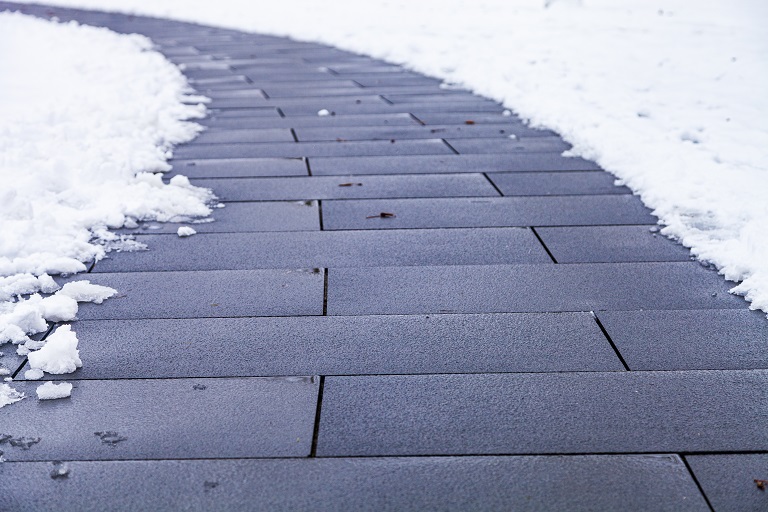
Winter is a tough season for outdoor spaces. No matter how
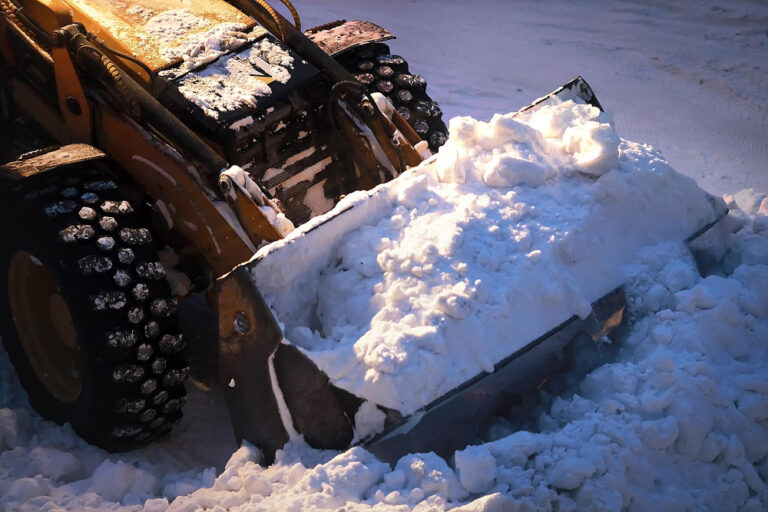
We are so consumed with thinking about what’s the best ice melt for driveways, the different products and brands, the one that is suitable for us we forget to ask how it will react to any surface, whether asphalt or concrete. As we focus on the driveway during winter, we often forget to note all the different touchpoints involved. Along with the driveway, another part of the house requires your attention every winter – the gutters.

Hundreds of articles on Google tell you ‘what is best for melting ice on concrete’ and how you can apply it correctly. But we don’t have the time to sift through all of them. We are looking for quick solutions and instant remedies to help us battle our winter woes. To help you overcome your dilemma and answer your questions, we have a few go-to ways to help you.

Using stamped concrete is another way to construct an aesthetic-looking driveway to add curb appeal. What ice melt is safe for stamped concrete is one of the pressing questions we face every winter. Several products in the market guarantee safety for concrete surfaces, asphalt, and other decking materials. They also claim to be safe for your pets and kids, but not everything you read is true.

Ice melt is a chemical that makes snow and ice melt on contact. The most common ice melt is sodium chloride, which is generally spread in granular form to de-ice roads, sidewalks and driveways. Ice melt pellets are also available. There are wholesale ice melt companies that sell pelletized forms of sodium chloride and calcium chloride that provide more immediate results than the granular version. However, they’re more expensive and more likely to damage concrete, stone and brick. In addition to damaging hardscaping surfaces, chemical ice melt can harm trees and shrubs by leaching them of water they need over the winter months. Ice melt can also be harmful to pets, children and wildlife if accidentally ingested or if it comes into contact with skin or eyes
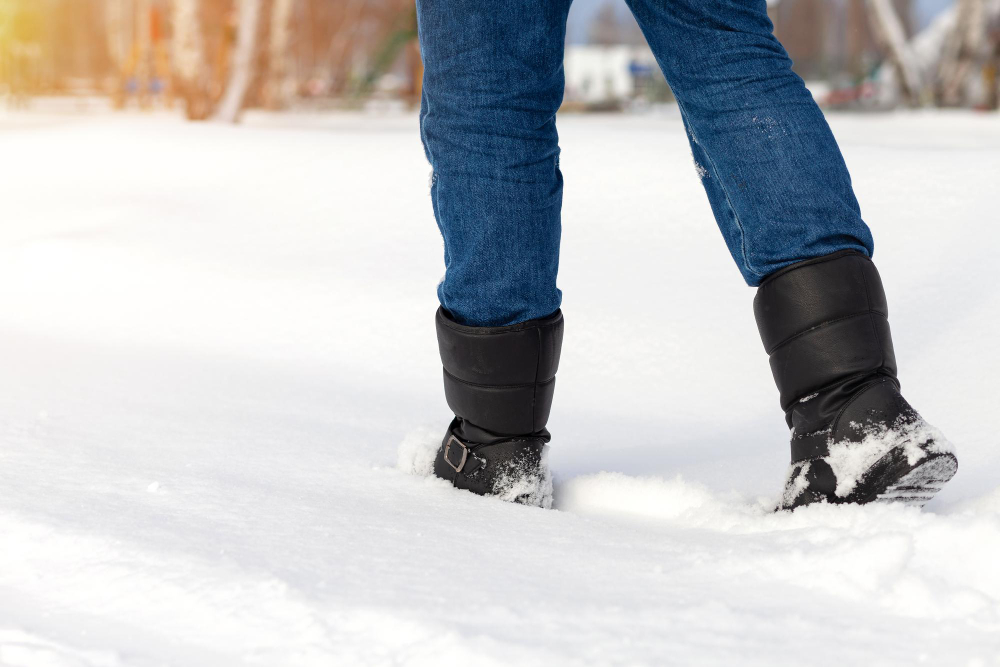
If you live in an area that gets a lot of snow or ice, you know how easy it is to slip on your driveway or trip right over that patch of ice on the sidewalk. Even if you stay off the ground and avoid stepping on anything icy, your car may still slide out of control when it’s snowy or icy outside.

When winter rolls in and ice begins to build up

When a product label says “safe for lawns,” it’s easy

When it comes to ice melt, one size doesn’t fit