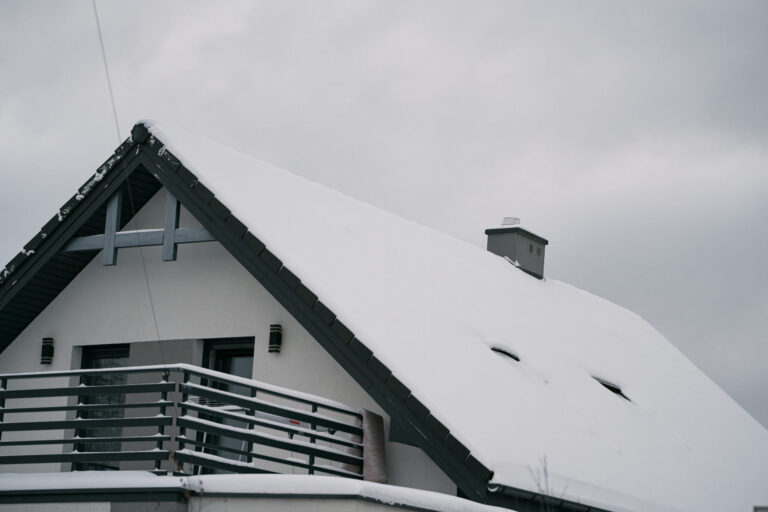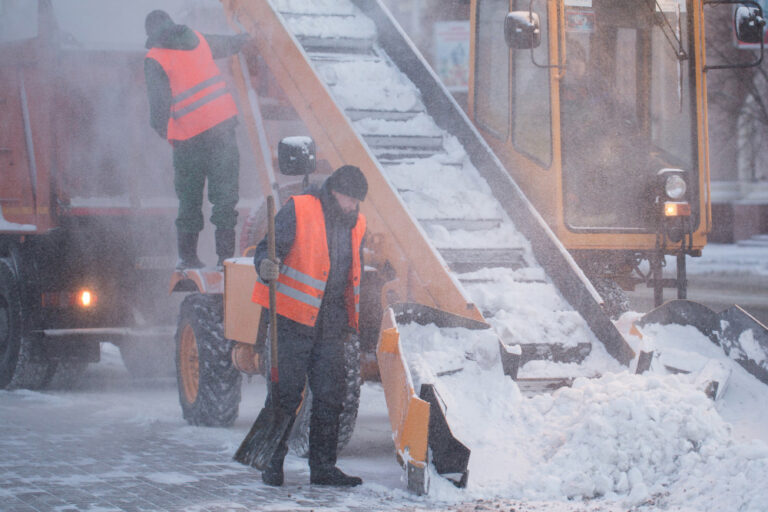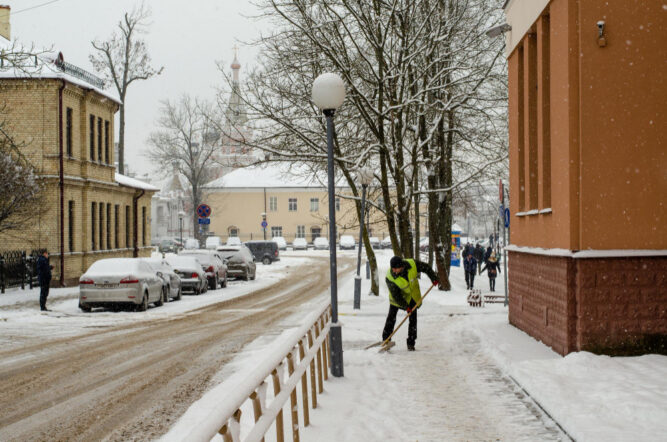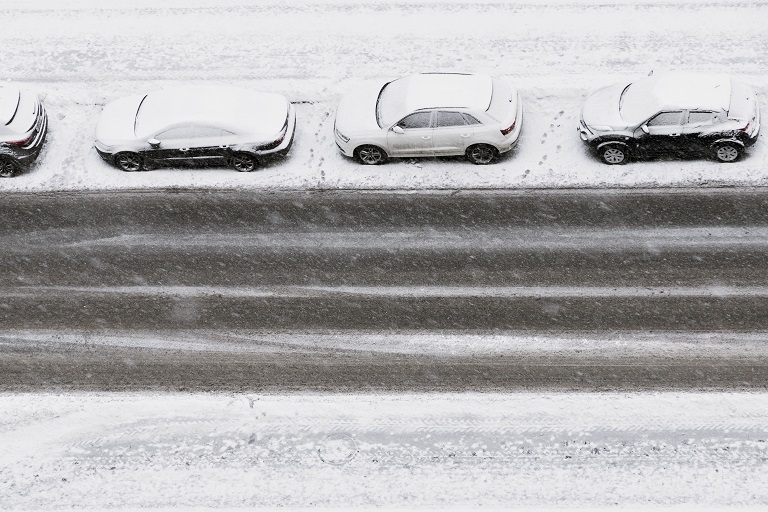
Winters are beautiful but pose different types of risks for you, your employee, and your premises. While snow is lovely to look at, it is not ideal for pedestrians. Whatever falls on your business parking lots, porches, and stairways, whether it’s ice, slush, or snow, it can be harmful to the pedestrian as well as your concrete.
In this article, we will discuss how to keep your concrete safe this winter.
Concrete and its enemies
Concrete looks hard and sturdy because we see it taking the weight of vehicles and bearing all types of weather. But the hard and sturdy-looking concrete is also vulnerable. Its porous nature is what makes it weak and prone to damages.
Here are two big problems associated with concrete
Problem #1- Chloride-based chemicals:
Chemicals, especially chlorine-based are harmful to concrete. These chemicals are easily found in most of the ice melt brands in the market.
Solution: When you’re choosing an ice melt for new concrete, which is more vulnerable, be selective. You can go for a salt-free, chloride-free deicer, pet-friendly ice melt that acts gently on the concrete. You can buy this ice melt from Home Depot.

Safe Thaw
Safe Thaw was created as the ice management solution for tough winter environments. Ideal in commercial and industrial properties, shops, government agencies, bridges, and construction.
Buy NowProblem #2- Freeze-Thaw Cycle:
Another factor that damages concrete is the freeze-thaw cycle that occurs when the water seeped in concrete freezes. It produces pressure that may result in long-term damage to your concrete driveway.
Internal cracking or surface scaling are some of the consequences you have to bear due to this phenomenon.
Solution- The most common ice melt, rock salt, only lowers the refreezing temperature to about 20 degrees Fahrenheit. It means that ice melt from rock salt will thaw and refreeze anytime the temperature fluctuates above and below 20 degrees, thus causing further damage. Natural ice melt like Safe Thaw can work at as low temperatures as -2 degrees Farehneheight and is equally effective.

3 Things you must do to keep your concrete safe
1. Make preparations in advance
Apply a thin layer of your ice melt on your concrete a few hours in advance. It will inhibit the snow from sticking to the surface and will help melt the ice more quickly later.
2. Apply it properly
Before, during, and after snowfalls, apply the ice melt in thin layers. Avoid putting too much ice meltdown in one layer since this will reduce its effectiveness. Instead, sprinkle out just enough ice to melt onto your surface so that it is distributed evenly and thinly.
3. Clear the slush
Slush is not just plain water sitting on your concrete. It contains chemicals and other compounds that can damage your concrete if left unattended for a long duration. It can also cause the development of algae and moss on your pavers. Apart from that, we have already discussed how it can seep in and cause freezing and cracking.
100% Salt & Chloride-Free, Fast-Acting Ice Management Solution
Conclusion
Snow is beautiful, but when it starts falling so hard, it can play havoc on your concrete and other open areas. Understanding your concrete and making arrangements can keep yourself, your premises, and your customers safe. If you’re planning to buy ice melt from Home Depot, keep these points in mind.
Try Also Our Other Winter Safety Products
Safe Paw
The Original and #1 Selling Pet and Child Safe Ice Melt for over 20 years. Guaranteed environmentally safe – will not harm waterways and sensitive wetlands. Safe Paw can change how winter affects our planet.

Ice Traction (with Traction Magic™)
Ice Traction is your go-to winter solution for driveways, walkways, parking lots, and even black ice on the road. Unlike salt or ice melts, it delivers instant grip on snow and slippery surfaces with no wait time.
Just spread and go.
Instant Grip. Zero Melt Time.
Total Confidence on Black Ice