What Is the Fastest Way to Melt Ice?
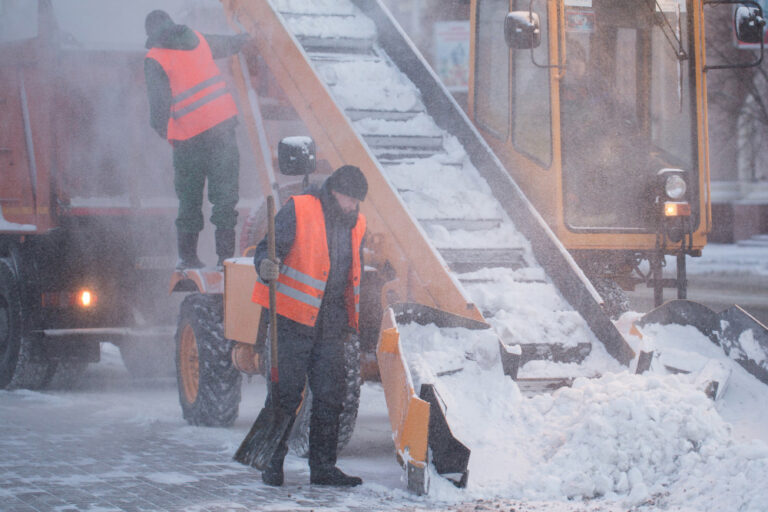
The fastest practical way to deal with outdoor ice depends on the surface temperature, ice thickness, surface material, and size of the area. Remove loose snow first, then use a suitable ice-melting method. Rock salt lowers the freezing point of water, while hot water, rubbing alcohol solutions, and beet-based brines each have important limitations. For areas where chloride exposure is a concern, a chloride-free ice melt is another option. After the ice loosens, remove the resulting slush to reduce refreezing.
FHWA confirms the underlying mechanism: deicing chemicals act as freezing-point depressants and must form a solution to work effectively. (Federal Highway Administration)
The chilly embrace of winter often blankets our surroundings with a shimmering layer of ice. While it might look pretty, it can be a hazard, especially on driveways, walkways, and other outdoor surfaces. The need to swiftly tackle this ice is crucial to avoid potential accidents. If you’re wondering how to melt ice effectively, you’re in the right place. Below, we’ll dive into five practical methods, emphasizing why certain traditional methods might not be the best choice and highlighting a superior solution.
Key Takeaways
- Remove loose snow first: Reducing the amount of snow and ice that must be melted generally makes treatment more practical.
- Salt works by lowering water’s freezing point: It must dissolve and form brine before it can weaken the ice-surface bond. (Federal Highway Administration)
- Hot water is temporary: Meltwater can freeze again when the surface remains below freezing.
- Rubbing alcohol has limitations: It may lower the freezing point of water, but isopropyl alcohol is flammable and is not a practical treatment for large outdoor areas. (CDC)
- Beet-based brine is generally more relevant to pre-treatment: Its characteristics depend on what the brine contains.
- Chloride-free ice melt is an option when chloride exposure is a concern.
- Always account for refreezing: Remove loosened ice and slush rather than relying on melting alone.
Before You Try to Melt Ice: Check These Factors
Ice does not melt at the same rate in every situation. Before choosing a method, consider the surface temperature, thickness of the ice, size of the treatment area, surface material, drainage, likelihood of refreezing, and exposure to vegetation or other sensitive areas.
Surface temperature vs. air temperature
The pavement or walkway temperature directly affects how quickly a deicer can work. Surface temperature can differ from the surrounding air temperature.
Deicing vs. anti-icing
Deicing treats ice that has already formed. Anti-icing is preventive treatment intended to reduce ice bonding before or during a winter event. FHWA uses this same distinction in its winter-maintenance guidance. (Federal Highway Administration)
Melting vs. traction
Melting removes or loosens ice. Traction materials improve friction but do not necessarily melt the ice. FHWA similarly distinguishes abrasives from deicers. (FHWA Operations)
Traditional Rock Salt: Why It’s Not Ideal
Many households rely on rock salt as the go-to solution to combat icy conditions. It’s affordable and widely available, making it a popular choice.
How it works
- Salt contacts surface moisture.
- Salt dissolves and forms brine.
- The brine has a lower freezing point than pure water.
- The ice-surface bond gradually weakens.
- Loosened ice and slush can then be removed.
FHWA supports this brine/freezing-point-depression mechanism. (Federal Highway Administration)
Downsides of Salt:
- Environmental Impact: Rock salt can damage surrounding plants and can seep into groundwater, affecting local ecosystems.
- Corrosive Properties: Salt can corrode metal and degrade concrete, which can lead to expensive repairs in the long run.
- Toxicity to Pets: As covered in our previous discussions, traditional salts can be harmful if ingested by pets and can irritate their paws.

Safe Thaw
Safe Thaw was created as the ice management solution for tough winter environments.
Ideal in commercial and industrial properties, shops, government agencies,
bridges, and construction.
Boiling Water: Quick But Temporary
Pouring boiling water on ice can melt it almost instantly. However, it’s a temporary solution.
- How It Works: The hot water quickly raises the temperature of the ice, leading to rapid melting.
- Downsides: Once the hot water cools down, it can refreeze, potentially making the icy situation even worse than before. Plus, this method can be dangerous, as there’s a risk of getting scalded.
100% Salt & Chloride-Free, Fast-Acting Ice Management Solution
Rubbing Alcohol Solution: Effective But Not For Large Areas
A solution made of rubbing alcohol and water can be an effective ice melter.
- How It Works: Rubbing alcohol lowers the freezing point of water. When mixed in a solution and applied, it can help melt ice quickly.
- Downsides: This method can be expensive and isn’t ideal for covering large areas, like an entire driveway.
Beet Juice And Brine: A Natural Approach
This surprising combo has gained traction in some municipalities as a pre-treatment before snowstorms.
- How It Works: The sugar in the beet juice helps lower the freezing point of water, and when combined with brine, it can be effective in preventing ice formation and aiding melting.
- Downsides: While it’s more environmentally friendly than rock salt, it can leave a reddish-brown residue that can stain driveways and shoes.
Safe Thaw: The Superior Solution For Melting Ice
Safe Thaw emerges as the recommended choice when exploring how to melt ice on driveways. Not only is it effective, but it also addresses many of the concerns associated with traditional methods.
- How It Works: Safe Thaw’s granular ice melt is specially formulated to tackle icy conditions without the use of harmful chemicals.
- Benefits:
- Eco-Friendly: Safe Thaw doesn’t harm the environment, ensuring your garden remains unaffected.
- Safe for Pets: It’s a toxin-free solution, making sure your furry friends remain unharmed.
- Effective: It rapidly tackles icy conditions, ensuring your driveway is safe and slip-free.

Which Ice-Melting Approach Fits Different Situations?
- Small isolated patches: Mechanical removal plus a suitable treatment may be more practical than treating the entire area.
- Large paved areas: Use a purpose-designed deicing approach appropriate for the measured surface temperature and pavement.
- Before ice bonds to pavement: Consider an anti-icing approach where conditions and surface compatibility allow it. FHWA describes anti-icing as a preventive strategy. (Federal Highway Administration)
- Where chloride exposure is a concern: Consider a chloride-free ice melt and verify its surface and temperature guidance.
- When immediate friction is more important than melting: A traction material can improve grip without necessarily melting ice. Ice Traction can be discussed here specifically as a traction approach rather than an ice-melting method.
That last distinction is especially valuable because the existing page currently promotes Ice Traction lower on the page without clearly separating traction from melting. (safethaw.com)
Pros & Cons
|
Method |
Advantages |
Limitations |
|
Rock salt |
Widely available; familiar method; forms a freezing-point-depressing brine |
Chloride runoff; performance changes with temperature; residue |
|
Hot water |
Can melt a small amount of ice quickly |
Scalding risk; meltwater may refreeze; impractical for large areas |
|
Rubbing alcohol solution |
Can lower water’s freezing point |
Flammable; potentially expensive for large areas; handling considerations |
|
Beet-based brine |
Can be useful as part of some anti-icing approaches |
Composition varies; may contain chloride; can leave residue |
|
Chloride-free ice melt |
Avoids chloride exposure |
Performance and surface suitability depend on the specific formulation |
EPA and USGS document environmental concerns associated with road-salt/chloride use, while NIOSH identifies isopropyl alcohol as a flammable liquid. (US EPA)
Warnings and Limitations
- Do not assume every method is suitable for every exterior surface.
- Remove loose snow before trying to melt thick accumulations.
- Meltwater can refreeze when pavement remains below freezing.
- Avoid using large quantities of hot water where runoff can freeze nearby.
- Rubbing alcohol is flammable; keep it away from flames, sparks, and other ignition sources. (CDC)
- Beet-based treatments should not automatically be described as chloride-free because the accompanying brine may contain chloride.
- Minimize unnecessary chloride runoff around soil, vegetation, drains, and waterways. EPA and USGS identify winter road salt as a significant source of environmental chloride. (US EPA)
- Remove loosened ice and slush after treatment to reduce the chance of refreezing.
In Conclusion
Icy driveways and walkways are more than just a winter nuisance; they can be a genuine hazard. While there are numerous methods on how to melt ice, it’s essential to pick a solution that’s effective, environmentally friendly, and safe for all household members, including pets. Safe Thaw offers a holistic approach, ensuring icy conditions are managed without compromising on safety or environmental concerns. As winter’s grip tightens, ensure you’re equipped with the best solution to combat ice. Safe Thaw is a reliable choice that won’t let you down.
Try Also Our Other Winter Safety Products
Safe Paw
The Original and #1 Selling Pet and Child Safe Ice Melt for over 20 years. Guaranteed environmentally safe – will not harm waterways and sensitive wetlands. Safe Paw can change how winter affects our planet.

Ice Traction (with Traction Magic™)
Ice Traction is your go-to winter solution for driveways, walkways, parking lots, and even black ice on the road. Unlike salt or ice melts, it delivers instant grip on snow and slippery surfaces with no wait time.
Just spread and go.
Instant Grip. Zero Melt Time.
Total Confidence on Black Ice