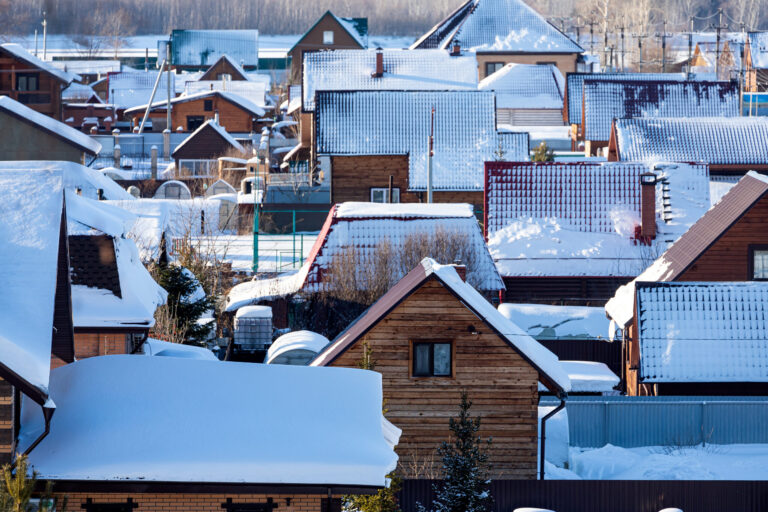
Ice dams can cause roof leaks, damaged insulation, moisture accumulation, mold growth and costly property repairs. Removing an existing ice dam provides temporary relief, but preventing recurring ice dams requires addressing the conditions that cause roof snow to melt and refreeze.
For homeowners, commercial property managers and facility maintenance teams, the most effective approach combines safe snow removal, professional ice removal and improvements to the building envelope.
Editorial disclosure: This article is published by Safe Thaw, a Gaia Enterprises brand. Technical roof maintenance recommendations are based on cited external sources. Manufacturer-specific product information is presented separately.
Technical review status: Independent roofing or building-science expert review has not yet been completed.
Quick Answer: How Do You Get Rid of Ice Dams on a Roof?
For an established ice dam, contact an insured roofing professional to assess the roof and choose a suitable removal method. Professional steam removal is one recommended option when appropriate for the roofing system. Remove loose snow with a roof rake only when it can be operated safely from ground level. Avoid striking ice, climbing onto icy roofs or using unapproved deicers. Prevent recurring ice dams through air sealing, adequate insulation and appropriate roof ventilation.
The Insurance Institute for Business & Home Safety (IBHS) recommends ground-based snow removal, while Chubb recommends professional steam removal for established ice dams.
Table of Contents
What Is an Ice Dam?
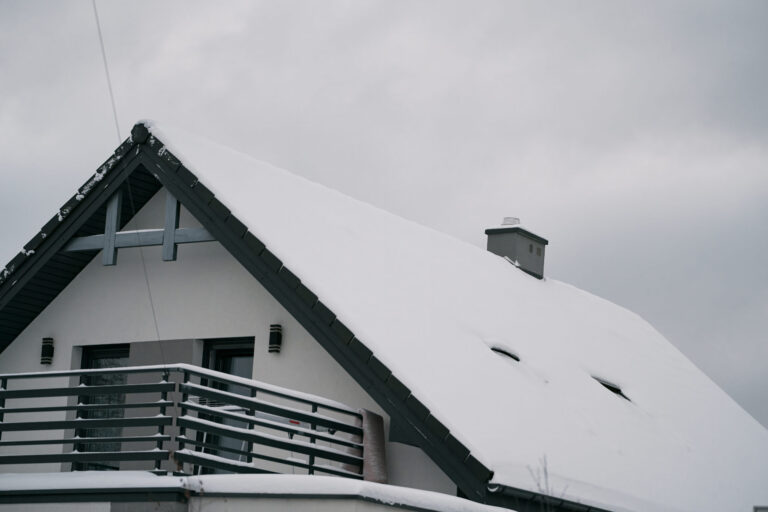
An ice dam is a ridge of frozen water that develops along a roof’s edge and restricts the drainage of melting snow.
As additional snow melts, water can accumulate behind the ice barrier and penetrate vulnerable areas of the roofing assembly.
Ice dams can contribute to:
- Roof leaks and water intrusion.
- Damaged ceilings and interior walls.
- Wet attic insulation.
- Moisture-related deterioration.
- Mold growth.
- Damage to gutters and roof components.
- Falling ice hazards near entrances and walkways.
The University of Minnesota Extension identifies uneven roof surface temperatures as a key factor in ice dam formation.
What Causes Ice Dams on Roofs?
Ice dams commonly develop when snow covers a roof with uneven surface temperatures. Snow melts on warmer roof sections, while water freezes when it reaches colder areas near the eaves.
How Ice Dams Form
- Heat escapes from the conditioned interior of a building toward the roof.
- Snow melts on warmer portions of the roof.
- Meltwater flows toward colder roof edges.
- Water refreezes near the eaves.
- Accumulating ice obstructs drainage.
- Additional meltwater collects behind the ice dam and may enter the building.
Common Contributing Factors
| Contributing factor | How it contributes to ice dam formation |
|---|---|
| Air leakage | Allows warm indoor air to enter the attic or roof assembly |
| Insufficient insulation | Increases heat transfer toward the roof |
| Uneven roof temperatures | Creates conditions for melting and refreezing |
| Heat-producing attic equipment | May contribute to localized warming |
| Inadequate ventilation in vented roof assemblies | Can contribute to unwanted heat accumulation |
| Snow accumulation | Provides a source of meltwater |
| Freeze-thaw weather conditions | Can contribute to repeated melting and refreezing |
| Obstructed drainage | Can aggravate water accumulation |
According to Building Science Corporation’s BSD-135: Ice Dams, controlling heat transfer and air leakage through the building envelope is central to ice dam prevention.
Clogged gutters may aggravate drainage problems, but they are not the primary cause of conventional roof ice dams.
How to Identify an Ice Dam Before It Causes Damage
Identifying roof ice accumulation early allows property owners to arrange appropriate maintenance before damage becomes extensive.
| Warning sign | Possible cause | Recommended response |
|---|---|---|
| Thick ice along roof edges | Restricted meltwater drainage | Arrange a roofing assessment |
| Large or growing icicles | Meltwater refreezing | Restrict access beneath falling ice |
| Uneven snowmelt | Uneven roof temperatures | Investigate building heat loss |
| Water stains on ceilings | Possible roof leakage | Contact a roofing professional |
| Damp attic insulation | Water intrusion or condensation | Arrange a moisture inspection |
| Water dripping indoors | Active leakage | Begin immediate protective actions |
| Sagging or bulging ceilings | Possible structural or water-related damage | Leave the affected area and seek urgent professional assistance |
Icicles alone do not necessarily indicate an ice dam. Their presence should be considered alongside roof-edge ice accumulation, drainage conditions and evidence of moisture intrusion.
Safe and Effective Ways to Remove Ice Dams
Remove Loose Roof Snow With a Ground-Operated Roof Rake
Reducing loose snow on accessible roof sections can limit the amount of meltwater available to feed an ice dam.
The Insurance Institute for Business & Home Safety recommends using a ground-operated snow rake, preferably one equipped with wheels to reduce direct contact with roofing materials.
Follow these precautions:
- Use a roof rake designed specifically for snow removal.
- Operate from stable ground rather than an icy roof or ladder.
- Keep clear of overhead electrical lines.
- Remain outside the path of falling snow and ice.
- Avoid scraping shingles or damaging roofing materials.
- Follow the tool manufacturer’s instructions.
- Stop if roof conditions cannot be managed safely.
A roof rake is primarily a preventive snow management tool. It should not be used to strike or break apart an established ice dam.
Consult a Professional About Steam Ice Dam Removal
For an established ice dam, consult a qualified and insured roofing professional to assess the roof and choose a suitable removal method. Professional steam removal is one option when appropriate for the roof system and conditions.
The Minnesota Department of Commerce recommends professional steam removal for residential ice dams causing interior water damage; this does not establish suitability for every roof assembly.
Chubb’s ice dam guidance recommends using an insured professional equipped to remove accumulated ice with steam.
The Snow & Ice Management Association (SIMA) also discusses the importance of appropriate equipment, trained technicians and insurance coverage for professional rooftop ice removal.
Before hiring a contractor, confirm:
- Relevant rooftop snow and ice removal experience.
- Appropriate liability and worker insurance coverage.
- Use of equipment suitable for the roofing system.
- Appropriate fall protection and worker safety procedures.
- Protection of pedestrians and surrounding property.
- A plan for managing meltwater and runoff.
Specialized steam removal should not be confused with conventional pressure washing, which may damage vulnerable roofing components.
Verify Roofing Compatibility Before Applying Chemical Deicers
Chemical ice melt products designed for pavement are not automatically appropriate for roofing systems.
Different roofing materials may have different compatibility requirements, including:
- Asphalt shingles.
- Metal roofing panels.
- EPDM rubber membranes.
- TPO roofing membranes.
- PVC roofing membranes.
- Roof coatings.
- Adhesives and sealants.
- Flashing and drainage components.
Before considering a chemical deicer, verify that both the product manufacturer and the roofing manufacturer explicitly approve the application.
Also check any restrictions under the roofing warranty.
A product being salt-free or chloride-free does not, by itself, establish compatibility with every roofing material.
What to Do if an Ice Dam Is Causing a Roof Leak
If water is entering your building, do not wait for outdoor temperatures to rise.
Immediate emergency decision path:
- If a ceiling is bulging or sagging: Leave the affected area and call emergency services if occupants are in immediate danger.
- If water is near electrical equipment or wiring: Keep clear and contact qualified electrical help. Do not touch wet electrical equipment.
- Otherwise: Contain water only where safe, document damage and promptly contact a roofing professional.
Immediate Ice Dam Leakage Response
| Step | Immediate action |
|---|---|
| Protect occupants | Restrict access to areas beneath leaking, sagging or damaged ceilings |
| Protect belongings | Move furniture, equipment and important documents only when safe |
| Contain water | Use suitable containers to collect drips only in structurally and electrically safe areas |
| Avoid electrical hazards | Stay away from wet outlets, electrical equipment, wiring and light fixtures |
| Restrict outdoor access | Establish exclusion zones beneath unstable roof ice and icicles |
| Contact professionals | Arrange a roofing inspection and qualified electrical assistance where necessary |
| Document damage | Take photographs from a safe location and notify your insurer or property manager |
| Address moisture | Arrange drying and water-damage restoration after the area is declared safe |
Important safety warning: Do not stand beneath a bulging ceiling or attempt to puncture it. If the roof or ceiling shows signs of possible structural failure, leave the affected area immediately. Contact emergency services when there is an imminent threat to occupants.
The Electrical Safety Foundation International warns that water-damaged electrical equipment can present shock and fire hazards and requires proper evaluation before reuse.
The U.S. Environmental Protection Agency (EPA) recommends drying water-damaged materials within 24–48 hours, where safely possible, to help prevent mold growth.
For extensive water intrusion, arrange professional water-damage restoration.
Ice Dam Removal Methods Compared
The appropriate ice dam management method depends on roof accessibility, ice accumulation, roofing material and the presence of active leakage.
| Method | Best suited for | Removes established ice dams? | Main limitation |
|---|---|---|---|
| Ground-operated roof rake | Accessible loose roof snow | No | Limited reach and potential surface damage |
| Professional steam removal | Established ice dams on suitable roofs | Can remove ice when appropriate | Requires specialized equipment and trained personnel |
| Roofing-approved chemical deicer | Specific approved applications | May provide localized melting | Compatibility and runoff restrictions |
| Roof heating cables | Selected drainage applications | Not a general removal solution | Requires appropriate system design |
| Air sealing | Reducing heat leakage | No | Long-term building improvement |
| Additional insulation | Reducing heat transfer | No | Requires assessment of existing roof construction |
| Appropriate roof ventilation | Supporting selected roof designs | No | Does not replace insulation or air sealing |
| Gutter maintenance | Improving drainage | No | Does not correct roof temperature differences |
Recommended decision: Use a ground-operated roof rake for safely accessible loose snow, professional assessment and a suitable removal method for established ice dams, and building-envelope improvements for recurring problems.
What Not to Do When Removing Ice Dams
Improper ice removal can cause additional damage and expose occupants or workers to serious hazards.
Avoid:
- Climbing onto icy roofs as a DIY removal method.
- Striking ice dams with hammers, axes or mallets.
- Using sharp tools to scrape shingles or roof membranes.
- Applying open flames or blowtorches.
- Applying chemical deicers without roof-specific approval.
- Pouring boiling water onto frozen roofing materials.
- Using unsuitable pressure-washing equipment.
- Standing underneath unstable roof ice.
- Blocking building exits while establishing ice hazard exclusion zones.
Building Science Corporation’s De-Icing Ice Dams guidance documents how aggressive physical ice removal can damage roofing materials.
Remember that meltwater may refreeze on adjacent walkways, entrances and vehicle access areas.
How to Prevent Ice Dams From Returning
Long-term ice dam prevention requires reducing unwanted heat transfer toward snow-covered roofs and maintaining an appropriate roof assembly.
Seal Air Leaks Between the Building and Attic
Warm air escaping from conditioned indoor areas can contribute to unwanted attic heating.
Common areas that may require professional assessment include:
- Attic access hatches.
- Plumbing and electrical penetrations.
- Recessed lighting fixtures.
- Ceiling openings.
- Ductwork penetrations.
- Wall-to-roof assembly connections.
The U.S. Department of Energy’s Air Sealing Existing Attics guidance explains that controlling air leakage between the attic and conditioned living space can reduce energy loss and help address attic moisture problems.
Air sealing around electrical components, chimneys and combustion equipment should follow applicable safety requirements.
Improve Attic and Roof Insulation
Insulation reduces heat transfer through the building envelope.
The U.S. Department of Energy’s Existing Attic Insulation guidance recommends completing air-sealing improvements before installing loose-fill attic insulation and selecting insulation levels that satisfy applicable building and energy codes.
The appropriate insulation material, thickness and thermal resistance depend on:
- Local climate.
- Building construction.
- Existing insulation.
- Roof assembly design.
- Moisture conditions.
- Applicable building codes.
A qualified energy auditor or building-envelope specialist can identify suitable improvements.
Evaluate Roof and Attic Ventilation
Increasing ventilation alone may not resolve recurring ice dams.
Building Science Corporation’s BSD-135 explains that ventilation works best alongside effective insulation and air leakage control.
Its Understanding Attic Ventilation technical guide discusses the importance of controlling air movement and moisture in both vented and unvented roof designs.
Before modifying ventilation, determine:
- Whether the roof assembly is designed to be vented or unvented.
- Whether existing ventilation pathways are obstructed.
- Whether warm indoor air is entering the roof assembly.
- Whether insulation is adequate and properly installed.
- Whether moisture or condensation problems are present.
Do not assume that adding vents or installing powered attic fans will solve the problem. Ventilation changes should be appropriate for the complete roof assembly.
Maintain Gutters and Roof Drainage
Routine drainage maintenance can reduce additional obstructions during winter weather.
Before freezing conditions arrive:
- Remove leaves and debris when safe.
- Inspect gutters and downspouts.
- Check drainage outlets.
- Arrange repair of damaged flashing and drainage components.
- Confirm that runoff does not discharge onto frequently used pedestrian surfaces.
Gutter maintenance complements ice dam prevention, but it does not substitute for controlling building heat loss.
Evaluate Roof Underlayment and Drainage Protection
During planned roof replacement or major repairs, ask a roofing professional about suitable ice and water protection underlayment.
The appropriate system depends on roof slope, roofing materials, local climate, manufacturer requirements and building codes.
Protective underlayment can help limit water intrusion but does not eliminate the conditions that cause ice dams.
Ice Dam Management for Commercial and Industrial Properties
Commercial and industrial facilities require coordinated roof maintenance because snow and ice hazards can affect employees, customers, inventory, equipment and operational continuity.
Properties requiring particular attention include:
- Warehouses and distribution centers.
- Manufacturing facilities.
- Supermarkets and retail centers.
- Hospitals and healthcare campuses.
- Schools and universities.
- Office buildings.
- Parking facilities.
- Hotels and hospitality properties.
Sloped Roofs vs. Low-Slope Commercial Roofs
Not every commercial rooftop ice problem is a conventional ice dam.
| Roof system | Common winter concern | Management priority |
|---|---|---|
| Sloped roof | Ice dams at eaves and roof valleys | Heat-loss control and safe snow management |
| Low-slope roof | Frozen drains, ponding water and snow accumulation | Drainage inspection and structural assessment |
| Metal roof | Sliding snow and ice | Professional evaluation and pedestrian protection |
| Membrane roof | Frozen drainage and potential membrane damage | Manufacturer-approved maintenance |
| Roof above loading docks | Falling ice and ground-level refreezing | Restricted access and coordinated winter maintenance |
Different roof assemblies require different maintenance methods. Facility managers should not apply residential roof removal techniques automatically to commercial membrane or low-slope roofs.
Commercial Winter Maintenance Checklist
Before winter
- Inspect roof drainage systems.
- Review roofing manufacturer maintenance requirements.
- Identify recurring ice accumulation areas.
- Establish qualified snow and ice removal contractors.
- Prepare an emergency response plan for roof leakage.
- Review roof snow-load management procedures with qualified professionals.
During winter
- Monitor roof conditions after major snow events.
- Observe roof edges and drainage outlets from safe locations.
- Restrict access beneath unstable snow and ice.
- Record visible leakage and drainage problems.
- Monitor entrances, walkways and loading areas for refreezing.
- Arrange professional assessment when abnormal roof conditions develop.
After winter
- Inspect roofing materials for damage.
- Evaluate recurring moisture problems.
- Review insulation and air-sealing performance.
- Document contractor activities and repairs.
- Update the facility’s winter maintenance plan.
A comprehensive winter maintenance strategy should address rooftop hazards separately from ground-level snow and ice management.
When Should You Call a Roofing Professional?
Professional assistance is appropriate when:
- An established ice dam is too large to manage safely.
- Roof access requires working at height.
- Water is entering the building.
- Roofing materials appear damaged.
- Ice dams recur despite previous maintenance.
- Roof drains are frozen or inaccessible.
- Falling ice threatens employees, customers or pedestrians.
- Abnormal roof deflection or structural warning signs are visible.
If signs suggest imminent structural failure, evacuate the affected area rather than attempting roof maintenance.
Frequently Asked Questions
What is the safest way to remove ice dams from a roof?
For established ice dams, contact an insured roofing professional to assess the roof and select a suitable removal method. Professional steam removal is one option when appropriate for the roof system. Ground-operated roof rakes can reduce accessible loose snow, but they should not be used to strike established ice or remove snow when conditions are unsafe.
What causes ice dams on roofs?
Ice dams commonly form when snow melts on warmer roof sections and refreezes near colder roof edges. Building heat loss, air leakage and inadequate insulation can contribute to uneven roof temperatures.
Can clogged gutters cause ice dams?
Clogged gutters may worsen drainage problems, but the main cause of conventional ice dams is uneven roof temperature, which allows snow to melt and refreeze near colder roof edges.
Can I remove ice dams without climbing onto my roof?
You may be able to reduce loose snow using a ground-operated roof rake when conditions permit. Established ice dams should be assessed and removed by a qualified professional.
Can I break ice dams with a hammer or mallet?
No. Striking roof ice can damage shingles, membranes, gutters and other roof components. Falling ice also creates a serious injury hazard.
Can I use ice melt on asphalt shingles or rubber roofing?
Only use a deicer if both the product manufacturer and roofing manufacturer approve it for the specific roofing material. Pavement ice melt products should not automatically be considered suitable for roofs.
Is chloride-free ice melt safe for every roofing material?
No. A chloride-free formulation does not establish universal compatibility with roofing membranes, shingles, coatings, adhesives or sealants.
Does attic ventilation prevent ice dams?
Appropriate ventilation can support temperature and moisture management in certain roof assemblies, but ventilation alone may not solve ice dam problems. Air leakage and insulation should also be evaluated.
Will adding insulation stop ice dams?
Additional insulation may help reduce roof heat transfer. However, air leakage should also be addressed, and insulation improvements should be appropriate for the building’s design.
What should I do if an ice dam causes water to leak indoors?
Restrict access to affected areas, protect belongings only when safe, avoid wet electrical equipment and contact a qualified roofing professional promptly. Leave the affected area if ceilings or roof structures appear unstable.
Can ice dams cause mold?
Yes. Moisture entering ceilings, walls and insulation can support mold growth. The EPA recommends drying affected materials within 24–48 hours where this can be achieved safely.
Can roof heating cables prevent ice dams?
Properly designed heating cables may help maintain meltwater drainage in selected applications. They do not correct the underlying building heat loss that contributes to conventional ice dams.
Will ice dams eventually melt on their own?
Ice dams may melt during sustained warmer conditions. However, waiting can expose buildings to additional water intrusion and falling ice hazards. Significant accumulation or active leakage requires professional assessment.
How can commercial buildings prevent winter roof ice problems?
Commercial facilities should combine professional roof inspections, drainage maintenance, appropriate building-envelope improvements, snow-load management and documented winter hazard response procedures.
Conclusion
Effective ice dam management combines safe snow removal, professional removal of established ice and long-term control of building heat loss.
Ground-operated roof rakes may help reduce loose snow, while established ice dams require professional assessment, with steam removal being one possible option when suitable for the roof system. Air sealing, appropriate insulation and roof-specific ventilation improvements can address conditions that contribute to recurring problems.
For commercial properties, rooftop maintenance should be coordinated with pedestrian protection, drainage management and ground-level winter safety.
Always prioritize occupant safety, roofing manufacturer requirements and qualified professional guidance over unverified removal techniques.
References and Further Reading
Independent Technical and Safety Sources
University of Minnesota Extension – Dealing With and Preventing Ice Dams
Supports ice dam formation, heat loss and prevention guidance.
Building Science Corporation – BSD-135: Ice Dams
Supports roof assembly design, insulation, air sealing and thermal control recommendations.
Building Science Corporation – BSD-102: Understanding Attic Ventilation
Supports roof ventilation and moisture management guidance.
Building Science Corporation – BSI-097: De-Icing Ice Dams
Supports removal precautions and building-envelope considerations.
U.S. Department of Energy – Air Sealing Existing Attics
Supports air leakage and moisture control recommendations.
U.S. Department of Energy – Blown Insulation in Existing Attics
Supports air sealing before insulation installation.
Insurance Institute for Business & Home Safety – Ice Dam Prevention
Supports ground-operated roof-rake guidance.
Chubb – How to Prevent and Eliminate Ice Dams on Your Roof
Supports professional steam removal recommendations.
Snow & Ice Management Association – Up on the Roof
Provides industry guidance regarding professional rooftop snow and ice removal.
Electrical Safety Foundation International – Water-Damaged Electrical Equipment
Supports electrical safety precautions following water intrusion.
U.S. Environmental Protection Agency – A Brief Guide to Mold, Moisture and Your Home
Supports moisture management and timely drying recommendations.
Manufacturer Source
Safe Thaw – Product Information and Specifications
Manufacturer-provided product descriptions and formulation information.
Editorial and Technical Review Policy
This article provides general winter property maintenance information based on external building-science, industry and safety resources. It does not replace a site-specific assessment by a qualified roofing contractor, building-envelope specialist or structural engineer.
Safe Thaw is a commercial ice melt brand owned by Gaia Enterprises. Manufacturer product information is separated from general technical recommendations to maintain transparency.
Independent technical expert review has not yet been completed.