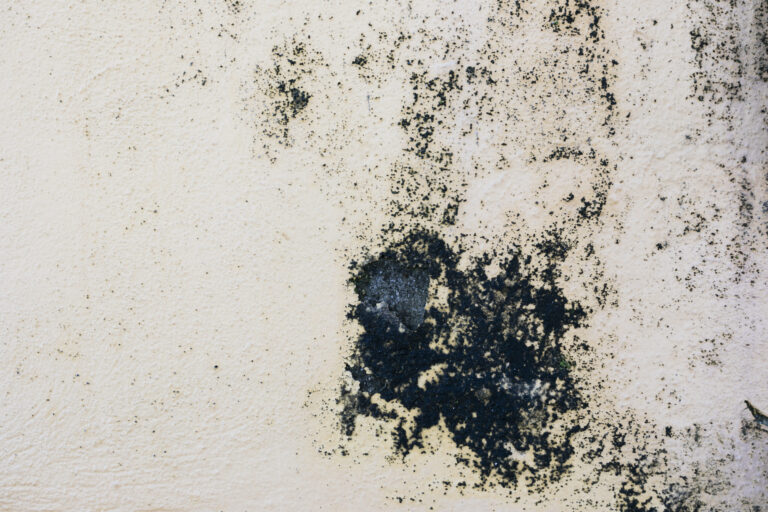
When it comes to home maintenance, oil stains on your driveway or garage floor can be a stubborn eyesore. Whether it’s from a car leak, an accidental spill, or another source, the porous nature of concrete makes it susceptible to absorbing these stains, making them tricky to remove. But worry not! Here are five effective techniques to get oil out of concrete and restore the aesthetic appeal of your space.
How Do You Get Oil Out of Concrete?
To get oil out of concrete, start by absorbing as much fresh oil as possible, then clean the remaining stain using a method suited to its age and severity. Dish detergent and warm water can help with surface grease, absorbent materials such as baking soda or cornstarch can be useful for fresh spills, while a poultice or concrete-compatible degreaser may be more appropriate for older or deeper stains. Repeat treatment may be necessary for oil that has penetrated the concrete.
The American Cement Association specifically recommends selecting the cleaning method according to the stain type and notes that a degreaser may work on oil stains. (American Cement Association)
Key Takeaways for Removing Oil From Concrete
- Treat fresh oil promptly. Remove or absorb excess oil before working on the remaining stain.
- Choose the method according to the stain. Fresh surface stains and older absorbed stains may require different approaches.
- Dish detergent can help loosen greasy residue before scrubbing and rinsing.
- Absorbent materials can be useful for fresh spills, while a poultice can be considered for oil that has penetrated more deeply.
- Concrete-compatible degreasers are another option for persistent stains. Follow the specific product directions.
- More than one treatment may be needed for an older or deeply absorbed oil stain.
- Test cleaning methods on an inconspicuous area first, particularly on sealed, coloured or decorative concrete.
The American Cement Association recommends choosing stain-removal methods according to stain type rather than treating every concrete stain identically. (American Cement Association)
First, Identify the Type of Oil Stain
Before choosing a cleaning method, consider whether the oil spill is fresh, partially absorbed or an older set-in stain. A fresh spill should first be absorbed rather than immediately spread across the surface with water. Once excess oil has been removed, the remaining mark can be treated according to its severity.
Older stains may require longer contact time, repeated cleaning, a poultice or a concrete-compatible degreaser. Decorative, sealed or coated concrete may also respond differently from plain unfinished concrete, so check surface-specific guidance before treating a large area.
Fresh Oil Spills
For a fresh spill, begin with an absorbent material to remove as much free oil as practical before cleaning the residual mark.
Older or Set-In Oil Stains
Oil that has remained on concrete for longer may have penetrated below the immediate surface. These stains may require repeated cleaning, a poultice or a degreaser rather than a single surface wash.

Safe Thaw
Safe Thaw was created as the ice management solution for tough winter environments. Ideal in commercial and industrial properties, shops, government agencies, bridges, and construction.
1. Dish Detergent And Hot Water Method
This is one of the most common household remedies to tackle oil stains. Dish detergents are formulated to combat greasy residues, making them effective in this scenario.
Steps:
- Wet the stained area with water.
- Sprinkle a generous amount of dish detergent directly on the stain.
- Using a brush with hard bristles, scrub the area vigorously.
- Pour hot water on the stain while continuing to scrub.
- Once the stain starts lifting, rinse the area with water and let it dry.
2. Baking Soda Treatment
Baking soda is a natural absorbent, making it useful in getting oil out of concrete. This method is most effective for fresh spills.
Steps:
- Cover the oil stain generously with baking soda.
- Allow it to sit for several hours, preferably overnight.
- Scrub the area with a stiff brush.
- Rinse off with water.
100% Salt & Chloride-Free, Fast-Acting Ice Management Solution
3. Poultice With Absorbent Clay
For older, more settled stains, a poultice made with absorbent clay can draw out the oil from the concrete.
Steps:
- Mix the absorbent clay with a small amount of water to form a thick paste.
- Apply this paste over the stain, ensuring it’s covered entirely.
- Leave it for a day or two until the paste is completely dry.
- Scrape off the dried poultice and rinse the area.
100% Salt & Chloride-Free, Fast-Acting Ice Management Solution
4. Commercial Degreasers
Available at most home improvement stores, commercial degreasers can effectively get oil out of concrete. Always read and follow the manufacturer’s instructions.
Steps:
- Apply the degreaser to the stain as per the product’s directions.
- Typically, you’d allow it to sit for a few hours.
- Scrub the area with a brush.
- Rinse the degreaser off with water.
5. Talcum Powder Or Corn Starch
Both of these are great at absorbing oil. This method is especially effective for lighter, less ingrained stains.
Steps:
- Pour a generous amount of talcum powder or corn starch over the oil stain.
- Let it sit for several hours or overnight.
- Use a brush to scrub the powder into the stain.
- Rinse off with water.
Oil Stain Removal Methods Compared by Stain Type
|
Stain situation |
Suggested starting method |
Time required |
|
Very fresh oil spill |
Absorbent material first |
Short initial treatment |
|
Fresh greasy residue |
Dish detergent + warm water |
Short |
|
Fresh surface oil |
Baking soda/absorbent material |
Moderate |
|
Older absorbed stain |
Poultice |
Longer |
|
Persistent stain |
Concrete-compatible degreaser |
Product dependent |
|
Decorative or sealed concrete |
Surface-specific method |
Varies |

Pros and Cons of Oil Removal Methods for Concrete
|
Method |
Advantages |
Limitations |
|
Dish detergent + warm water |
Simple method for greasy surface residue; easy to repeat |
May be insufficient for deeply absorbed stains |
|
Baking soda |
Useful as an absorbent approach for fresh spills |
Older stains may need additional treatment |
|
Absorbent-clay poultice |
Designed to keep an absorbent material in contact with the stain for longer |
Requires more preparation and drying time |
|
Concrete degreaser |
Formulated specifically to break down grease or oil |
Suitability varies by concrete finish and product instructions |
|
Cornstarch or similar absorbent |
Useful for absorbing fresh surface oil |
Less suitable as a complete treatment for older, embedded stains |
The American Cement Association confirms that a degreaser can be appropriate for an oil stain and that cleaning approaches should be selected according to stain type. (American Cement Association)
Important Considerations Before Cleaning Oil From Concrete
Oil stains do not all respond in the same way. Results can vary according to how long the oil has been present, how deeply it has penetrated, the type of oil and whether the concrete is sealed, coated, coloured or unfinished.
Before treating a large area:
- Test the method on a small, inconspicuous section.
- Avoid unnecessarily spreading a fresh spill with large amounts of water before excess oil has been absorbed.
- Follow the instructions supplied with any commercial concrete cleaner or degreaser.
- Use caution with aggressive scrubbing or pressure washing on decorative, coated or weakened surfaces.
- Allow the concrete to dry before assessing whether the stain remains.
Winter Oil Spills And Safe Thaw
It’s essential to note that winter can bring its own set of challenges when dealing with outdoor oil spills. Oil combined with ice can create hazardous conditions on your driveway or sidewalks. In these cases, once you’ve managed to get the oil out of concrete, addressing the ice becomes paramount.
This is where Safe Thaw comes into play. As a chemical and toxin-free solution, Safe Thaw is an industrial-grade granular ice melt perfect for safely treating icy conditions without further harming your concrete surfaces. Instead of resorting to potentially damaging salt or other chemicals, Safe Thaw provides an eco-friendly, effective solution, ensuring your surfaces remain both stain-free and ice-free.
100% Salt & Chloride-Free, Fast-Acting Ice Management Solution
Related Articles
5 Tips to Remove Oil Stains From Concrete Driveways
Removing Oil Stains from Concrete: Helpful Tips and Tricks
How to Get Rid of Oil Stains on Concrete
5 Effective Techniques to Remove Tire Marks From Concrete
Practical Tips to Remove Oil Stains From Your Driveway
Conclusion
Dealing with oil stains on concrete surfaces can be a hassle, but with the right techniques at your disposal, it’s entirely manageable. From household remedies like baking soda and dish detergent to commercial solutions, there are several methods to get oil out of concrete effectively. Remember, persistence is key – if one method doesn’t work, don’t hesitate to try another. And for those icy winter spills, ensure your safety and the well-being of your surfaces with Safe Thaw. Happy cleaning!
Try Also Our Other Winter Safety Products
Safe Paw
The Original and #1 Selling Pet and Child Safe Ice Melt for over 20 years. Guaranteed environmentally safe – will not harm waterways and sensitive wetlands. Safe Paw can change how winter affects our planet.

Ice Traction (with Traction Magic™)
Ice Traction is your go-to winter solution for driveways, walkways, parking lots, and even black ice on the road. Unlike salt or ice melts, it delivers instant grip on snow and slippery surfaces with no wait time.
Just spread and go.
Instant Grip. Zero Melt Time.
Total Confidence on Black Ice