Can You Clean Rocks With Vinegar?
Vinegar can be used on some rocks, but it is not suitable for every type of natural stone. Avoid vinegar on marble, limestone, travertine, and other calcite-rich stones because acids can etch or dissolve their surface. For unknown, polished, or sealed stone, start with water and a soft brush or a pH-neutral stone cleaner and confirm compatibility before using an acidic cleaner. Vinegar and water should also be treated as a cleaning method, not as a practical substitute for winter deicing.
The warning about marble, limestone and travertine is consistent with Natural Stone Institute guidance and the known reaction between acids and calcite. (Natural Stone Institute)
Whether for landscaping, construction, or interior design, natural stones are widely favored for their robustness and aesthetics. However, cleaning these rocks can be a challenging task. One natural solution that has garnered attention for “cleaning rocks with vinegar”. In this article, we’ll delve into this technique while discussing the potential impact of ice melting methods on outdoor stone surfaces, and how to choose a safe, effective alternative.
Key Takeaways
- Vinegar is acidic and should not be used on marble, limestone, travertine, or other calcite-rich stone.
- Do not assume granite or another stone is vinegar-safe; mineral composition, finish, and sealer compatibility can vary.
- For an unknown natural stone, begin with water and a non-abrasive brush or a pH-neutral stone cleaner.
- Test any new cleaning method on a small, inconspicuous area before treating a larger surface.
- Cleaning and winter deicing are different tasks: vinegar should not be presented as a substitute for an ice-melting product.
- For winter maintenance, evaluate the specific stone, sealer, drainage conditions, and the composition of the deicing material before application.
Natural Stone Institute guidance specifically cautions against acids on calcareous stone and recommends considering the mineralogy and applied treatments of the stone. (Natural Stone Institute)
Before Using Vinegar, Identify the Stone
The first step in natural stone cleaning is determining what type of stone you are working with. Marble, limestone, travertine, and other stones containing substantial amounts of calcite are acid-sensitive and should not be cleaned with vinegar. If the stone type is unknown, or if the surface has been polished or sealed, use a gentler cleaning method until compatibility has been confirmed.
What Is the Difference Between Etching and Staining?
A stain is discoloration caused by material entering or remaining on the stone. Etching is a physical or chemical change to the stone surface caused by an acidic substance. An etched area may appear dull, lighter, rougher, or different in texture even after the original liquid has been removed.
The Natural Stone Institute identifies acids as a cause of etch marks on susceptible natural stone. (Natural Stone Institute)
How to Clean Rocks With Vinegar Safely
Step 1: Identify the stone.
Confirm that the rock is not marble, limestone, travertine, or another acid-sensitive stone.
Step 2: Check the surface condition.
Determine whether the stone is polished, sealed, coated, cracked, or heavily weathered.
Step 3: Remove loose material.
Rinse away dirt and debris with clean water before applying any cleaner.
Step 4: Test a small area first.
If vinegar has been confirmed as compatible with the stone and its surface treatment, test it on an inconspicuous area.
Step 5: Use the least aggressive cleaning method needed.
Avoid presenting a universal vinegar concentration or soaking time unless the recommendation is supported for that particular stone.
Step 6: Rinse thoroughly.
Remove cleaning residue with clean water.
Step 7: Allow the stone to dry.
Inspect the dried surface for dulling, discoloration, texture changes, or remaining deposits before repeating treatment.
Important: Do not use vinegar on marble, limestone or travertine. If you cannot identify the stone, choose a non-acidic cleaning method instead.
Natural Stone Cleaning Methods: Advantages and Limitations
|
Cleaning method |
Advantages |
Limitations |
|
Clean water + soft/nylon brush |
Simple; suitable as a first cleaning step; removes loose surface dirt |
May not remove mineral deposits or deeply embedded stains |
|
pH-neutral stone cleaner |
Designed for controlled stone cleaning when used according to directions |
Compatibility still depends on stone, finish and sealer |
|
Diluted vinegar |
Acidic action may help with some deposits on compatible materials |
Can etch or damage marble, limestone, travertine and other acid-sensitive stone |
|
Professional stone cleaning |
Useful when stone type, stain type or surface treatment is uncertain |
Requires specialist assessment and may not be necessary for routine dirt |
Natural Stone Institute guidance supports avoiding acidic cleaners on calcareous stones and warns that abrasive cleaning materials can also affect some stone surfaces. (Natural Stone Institute)
The Process Is Relatively Straightforward:
- Pre-rinse: Initially rinse off the rocks with water to remove loose dirt and debris.
- Vinegar Bath: Soak the rocks in a solution of half water and half white vinegar.
- Soak and Scrub: Let the rocks soak for 15-20 minutes before scrubbing them gently with a brush.
- Rinse and Dry: Thoroughly rinse the rocks with clean water and let them dry.
This procedure is effective for cleaning rocks, but it is essential to note that vinegar should not be used on certain types of rocks, like limestone or marble, as it can corrode them.

Safe Thaw
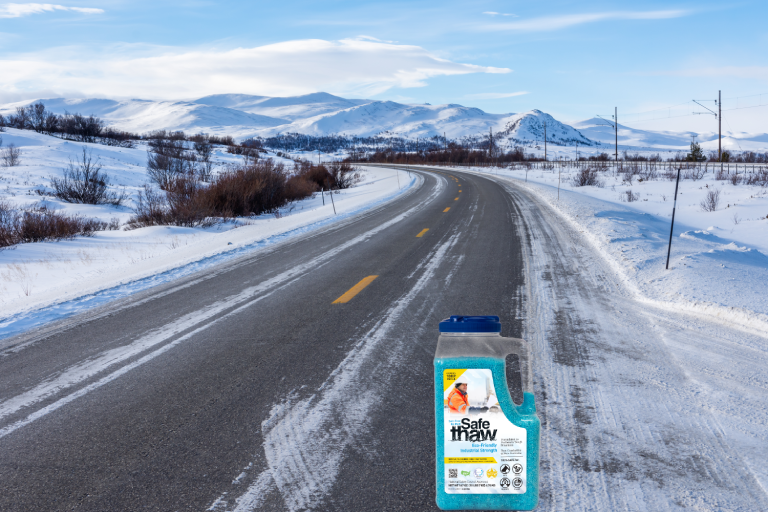
Safe Thaw was created as the ice management solution for tough winter environments. Ideal in commercial and industrial properties, shops, government agencies, bridges, and construction.
The Impact of Ice Melting Chemicals on Outdoor Stone Surfaces
In winter months, ice accumulation on outdoor stone surfaces can be a common problem. Many people resort to using rock salt to melt ice, not realizing the detrimental effect it can have on their stone surfaces.
Rock salt, while effective in lowering the freezing point of water and thereby melting ice, can be corrosive to stone surfaces. It can cause spalling – the chipping or flaking of stone surfaces due to the pressure buildup from the freeze-thaw cycle. Moreover, salt residues can seep into the porous structure of stones, causing long-term damage and discoloration.
Choosing a Stone-Safe Alternative to Traditional Rock Salt
In contrast, Safe Thaw offers a safer, non-corrosive solution for melting ice on stone surfaces. Here’s why Safe Thaw stands out:
- Safe Chemistry: Safe Thaw, unlike rock salt, is a chemical-free, toxin-free ice melt that effectively breaks the surface tension to speed up the melting process.
- Surface Safe: Safe Thaw is 100% safe on all surfaces, including natural stones, providing protection from potential damage caused by other ice melting products.
- Environmentally Friendly: It’s not only safe for people, pets, and plants but also doesn’t contaminate groundwater, making it an environmentally responsible choice.
100% Salt & Chloride-Free, Fast-Acting Ice Management Solution
How to Clean Stones and Rocks Outdoors Without Using Harsh Acids
After covering vinegar-based cleaning, it’s worth addressing a broader question many people ask: how to clean stones and rocks that sit outdoors all year long. Not every stone reacts well to vinegar, and some, like granite or sandstone, may need a gentler approach. A simple routine of rinsing with water and scrubbing with a stiff brush often removes surface dirt without risking etching. For stubborn stains, a mild baking soda paste or an oxygen-based cleaner can lift debris without the corrosive effects of harsher agents.
Another overlooked factor is drainage. If water consistently pools around your stones, it leaves mineral deposits that even vinegar struggles to break down. Installing proper drainage or elevating stones slightly with gravel beds helps prevent buildup in the first place, reducing the need for deep cleaning later.
Prestone Ice Melt vs. Safer Alternatives for Natural Stone Care
When talking about outdoor stone care, winter maintenance naturally comes up. Many people still wonder whether products like Prestone ice melt are suitable for stone surfaces. While these chloride-based deicers are effective at cutting through ice quickly, their residues can penetrate stone pores and accelerate scaling or discoloration. Over repeated seasons, that buildup weakens the stone’s natural resistance and can make cleaning efforts much harder.
A safer alternative is a chloride-free solution designed specifically to protect both surfaces and the surrounding environment. Products like Safe Thaw ensure that ice is removed without leaving corrosive residues that you’ll be battling again in spring. The key takeaway? Choosing the right ice melt now makes stone cleaning easier later, as you’re not fighting salt stains or embedded chlorides.

Will Vinegar and Water Melt Ice? Debunking Winter Maintenance Myths
Since vinegar is already part of the conversation, another question often comes up: will vinegar and water melt ice in the same way it cleans stones? The short answer is: not really. While vinegar does have acetic acid that lowers freezing points slightly, it’s nowhere near strong enough to replace a proper ice melt solution. On a mild frosty morning, a vinegar-water spray might help loosen a thin glaze, but in freezing temperatures, it’s ineffective.
That’s why it’s important to separate cleaning from deicing. Vinegar works as a cleaning agent for stones but shouldn’t be relied upon as a winter safety tool. For snow and ice, you’ll want a proven ice melt that can withstand sub-zero conditions without damaging stone surfaces. This distinction helps avoid unnecessary disappointment—and prevents the misuse of vinegar where it isn’t practical.
100% Salt & Chloride-Free, Fast-Acting Ice Management Solution
Long-Term Strategies for Natural Stone Cleaning and Protection
One of the most effective ways to maintain stone aesthetics is by pairing seasonal cleaning with protective winter practices. If you clean stones in late fall and then immediately face winter storms with salt-heavy deicers, much of that effort gets undone. Instead, adopting chloride-free products ensures your cleaned stones stay stain-free and don’t absorb harmful residues that require additional scrubbing later.
Additionally, sealing stone surfaces after cleaning can create a protective barrier. This doesn’t mean coating them in glossy finishes but using breathable, penetrating sealers that repel moisture and contaminants. When combined with safe deicers, this strategy prolongs the lifespan of natural stone and reduces the frequency of heavy cleanings.
Conclusion: Maintaining the Beauty and Integrity of Natural Stone
Maintaining natural stone surfaces isn’t only about knowing how to clean stones and rocks with vinegar or other mild agents—it’s also about protecting them year-round. While vinegar is excellent for cleaning, it doesn’t double as an ice melt, so expecting it to perform in freezing conditions is unrealistic. On the flip side, relying on chloride-heavy options like Prestone ice melt only trades short-term convenience for long-term stone damage.
The smarter approach is a balanced one: use natural cleaners like vinegar or baking soda for routine maintenance, pair them with breathable sealers, and rely on chloride-free, surface-safe like Safe Thaw ice melts in winter. That way, your stones stay clean, strong, and visually appealing without the hidden costs of corrosion or staining.
Try Also Our Other Winter Safety Products
Safe Paw
The Original and #1 Selling Pet and Child Safe Ice Melt for over 20 years. Guaranteed environmentally safe – will not harm waterways and sensitive wetlands. Safe Paw can change how winter affects our planet.

Ice Traction (with Traction Magic™)
Ice Traction is your go-to winter solution for driveways, walkways, parking lots, and even black ice on the road. Unlike salt or ice melts, it delivers instant grip on snow and slippery surfaces with no wait time.
Just spread and go.
Instant Grip. Zero Melt Time.
Total Confidence on Black Ice