The best concrete resurfacer for a driveway is an exterior-rated, cement-based or polymer-modified product that is compatible with the existing slab, expected vehicle traffic, required application thickness, and local weather conditions. Suitable options include concrete resurfacing products from Quikrete, Sakrete, Sika, Rapid Set, and ARDEX. Resurfacing is generally intended for worn, discolored, scaled, or lightly spalled concrete; it is not a substitute for correcting unstable slabs, continuing settlement, major structural cracks, or drainage problems.
Quikrete Concrete Resurfacer
- Effectiveness: Quikrete is a well-known brand that offers a reliable driveway concrete resurfacer, known for its strong adhesion and durability.
- Application: Easy to mix and apply, Quikrete provides a smooth, uniform finish.
- Negative Impact: The chemical composition requires careful handling and can be harmful if inhaled or come in contact with the skin.
Sakrete Flo-Coat Concrete Resurfacer
- Effectiveness: Sakrete’s Flo-Coat is designed for resurfacing large areas and provides excellent coverage and a smooth finish.
- Application: It requires minimal effort to mix and apply, making it user-friendly.
- Negative Impact: The chemical fumes can be strong, necessitating proper ventilation during application.
Key Takeaways
- Use a product specifically identified for exterior concrete and vehicle-bearing driveway surfaces.
- Resurfacing works best when the existing slab is stable but has surface wear, discoloration, scaling, or shallow spalling.
- Repair cracks, holes, deteriorated joints, and weak concrete before applying the resurfacing layer.
- Surface cleaning and preparation are as important as the resurfacing material itself.
- Application temperature, thickness, water ratio, working time, curing, and return-to-service time vary by product.
- A concrete patcher is intended for localized repairs and should not automatically be treated as a full-surface resurfacer.
- An asphalt resurfacer should not be applied to concrete unless the current technical data sheet explicitly identifies concrete as a permitted substrate.
- Winter maintenance should follow the resurfacer manufacturer’s curing and deicer guidance.
What a Concrete Resurfacer Does
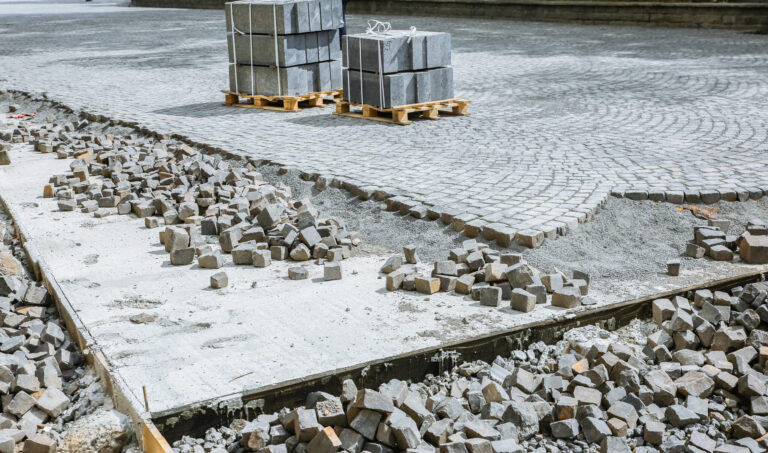
A concrete resurfacer creates a new wear layer over an existing concrete surface. Many driveway resurfacers combine cement, fine aggregate, polymers, and other performance additives. They are usually applied more thinly than conventional concrete and depend heavily on correct substrate preparation and bonding.
When a Driveway Can Be Resurfaced
Resurfacing may be appropriate when the driveway slab remains stable but has cosmetic discoloration, surface scaling, shallow spalling, minor pitting, or general wear. Localized defects normally need to be repaired before the resurfacer is installed.
When Resurfacing May Not Be Enough
Resurfacing should not be presented as a repair for every form of driveway deterioration. Continuing settlement, widespread movement, deep deterioration, major height differences, recurring moisture problems, or structural cracking may require a different repair method or slab replacement. Applying a thin resurfacing layer without correcting the underlying cause can allow cracks or movement to reappear.

Safe Thaw
Safe Thaw was created as the ice management solution for tough winter environments. Ideal in commercial and industrial properties, shops, government agencies, bridges, and construction.
Rust-Oleum Concrete Resurfacer
- Effectiveness: Known for its durability and resistance to weather conditions, Rust-Oleum is ideal for driveway resurfacing.
- Application: Though effective, the application process can be labor-intensive.
- Negative Impact: Its potent chemical makeup can be harsh on the environment and may pose health risks during application.
Henry Company Asphalt Resurfacer
- Effectiveness: While primarily for asphalt, it can also be used as a concrete driveway resurfacer, providing a strong, weather-resistant seal.
- Application: It is relatively easy to apply but requires careful handling.
- Negative Impact: Potentially harmful fumes and chemical runoff are concerns with this product.
Dap Concrete Patcher And Resurfacer
- Effectiveness: DAP is suitable for small patch jobs and minor resurfacing needs.
- Application: Easy to apply for quick fixes and small areas.
- Negative Impact: It may not be as long-lasting as other options and can release harmful chemicals during application.
Pros and Cons
100% Salt & Chloride-Free, Fast-Acting Ice Management Solution
Ardex Cd Concrete Dressing
- Effectiveness: Ardex offers a high-quality finish and is known for its longevity and resistance to wear and tear.
- Application: While providing excellent results, the application process can be more complex and might require professional assistance.
- Negative Impact: Care should be taken to avoid inhaling fumes or skin contact with the product.
The Impact Of Salt And Chemical-Based Ice Melts
When maintaining a resurfaced concrete driveway, it’s important to consider the detrimental effects of using salt and chemical-based ice melts. These products can erode the new surface, leading to quicker degradation and necessitating more frequent resurfacing.
100% Salt & Chloride-Free, Fast-Acting Ice Management Solution
|
Current entry |
Recommended action |
|
Quikrete Concrete Resurfacer |
Retain, but identify the exact current product |
|
Sakrete Flo-Coat |
Retain |
|
Rust-Oleum Concrete Resurfacer |
Verify exact product and exterior driveway use; otherwise replace |
|
Henry Company Asphalt Resurfacer |
Remove from a concrete-only list |
|
DAP Concrete Patcher and Resurfacer |
Reclassify as localized repair unless full-driveway use is documented |
Safe Thaw: An Eco-Friendly Ice Melt Alternative
To protect your newly resurfaced driveway, consider using Safe Thaw, a chloride-free and toxin-free ice melt. Unlike traditional ice melts, Safe Thaw is non-corrosive and won’t damage the driveway surface. It’s safe for the environment, pets, and humans, making it an ideal choice for maintaining the integrity of your resurfaced driveway.
Related Article Links
- How to repair cracks in a concrete driveway
- Concrete scaling and spalling: causes and repair options
- How to clean oil stains before concrete repair
- Concrete resurfacing versus driveway replacement
- How to prepare concrete for resurfacing
- Winter care for a resurfaced concrete driveway
Conclusion
Choosing the right driveway concrete resurfacer is essential for achieving a durable and aesthetically pleasing finish. While these top products offer effective solutions, it’s crucial to consider their potential environmental and health impacts. By using eco-friendly products like Safe Thaw for ice control, you can ensure the longevity of your driveway’s new surface while minimizing environmental harm.
Try Also Our Other Winter Safety Products
Safe Paw
The Original and #1 Selling Pet and Child Safe Ice Melt for over 20 years. Guaranteed environmentally safe – will not harm waterways and sensitive wetlands. Safe Paw can change how winter affects our planet.

Ice Traction (with Traction Magic™)
Ice Traction is your go-to winter solution for driveways, walkways, parking lots, and even black ice on the road. Unlike salt or ice melts, it delivers instant grip on snow and slippery surfaces with no wait time.
Just spread and go.
Instant Grip. Zero Melt Time.
Total Confidence on Black Ice