It is a story played at home every winter- will ice melt damage concrete? What product will best suit my limited space? Can I buy a good natural product without hurting my budget? These valid concerns make us contemplate our choice, especially if our neighbor has bought a natural product and cannot stop ranting about it.
Ice Melt Safe for Concrete: 5 Chemical-Free Ways to Remove Ice from Your Driveway
Keeping your concrete driveway safe and ice melt safe for concrete during winter is essential, but traditional deicers can do more harm than good. These chemical solutions often degrade concrete, harm the environment, and pose risks to pets and children. Chemical-free ice removal methods offer a safer, more sustainable alternative. In this guide, we’ll explore effective techniques, the ecological impact of deicers, and preventative measures to protect your driveway.

Safe Thaw
Safe Thaw was created as the ice management solution for tough winter environments. Ideal in commercial and industrial properties, shops, government agencies, bridges, and construction.
Buy NowThere is ice melt for concrete surfaces that are not expensive; they are 100% natural and do not hurt your budget. Despite several options, your safest option can be Safe Thaw, especially with the qualities you are looking for in a product. An economical and safe urea-modified product, Safe Thaw is unlike any other natural ice melt. It has special surfactants, inhibitors, and glycols that do not react with the concrete surfaces. The pellets have ice melting boosters that immediately break the ice and start working on it.
So, while you have concerns about ice melt for concrete surfaces, let us look at the top 5 chemical-free ways to remove ice from your concrete driveway.
100% Salt & Chloride-Free, Fast-Acting Ice Management Solution
Baking Soda
You can take 1 part of baking soda, mix it with hot water, and pour it liberally. This mix will lower the freezing point of the water and is less alkaline. It may be used as an ice melt for concrete surfaces in an emergency.
Rubbing Alcohol
Mix ½ gallon of hot water with six drops of dishwashing soap and ¼ cup of rubbing alcohol and pour it on the concrete surface. Be careful not to slip or fall because of the dishwashing soap.
Safe Thaw
Unlike other natural ice melt products on the market, Safe Thaw has special ingredients that are safe for everyone. Its main ingredient is urea which proves to be a plant booster. It does not contain any chemicals or salt.

Hot Water
Hot water is a quick way to melt ice on your concrete driveway. Removing the ice immediately after pouring the water so that it does not refreeze is best. It can be used in moderate temperatures but not extremely cold ones.
Saltwater
Another homemade ice melt for concrete surfaces is a mix of table salt, sea salt, rock salt, and water. All these ingredients are readily available at home and can be used in an emergency. It may seem a viable solution, but the cost of each element will ultimately make it difficult to carry out this activity every time.
100% Salt & Chloride-Free, Fast-Acting Ice Management Solution
Environmental Impact of Traditional Deicers
Traditional deicers, including sodium chloride (rock salt) and calcium chloride, have a significant ecological footprint. When these chemicals dissolve, they seep into the soil, altering its pH balance and reducing its fertility. This degradation can harm nearby plants and trees, stunting their growth or even killing them.
Moreover, chemical deicers often end up in water sources due to runoff, contaminating rivers, lakes, and groundwater. This pollution poses a threat to aquatic life, as high salt concentrations disrupt natural ecosystems. The long-term environmental consequences of using chemical deicers highlight the need for safer, chemical-free alternatives, especially in residential areas where their effects are compounded over time.
Safety Considerations for Pets and Children
Chemical deicers can pose serious risks to pets and children, who are more likely to come into direct contact with treated surfaces. For pets, walking on surfaces treated with deicers can lead to skin irritation or burns on their paws. If they ingest these chemicals by licking their paws, it can cause gastrointestinal issues, ranging from mild discomfort to severe poisoning.
Children are equally vulnerable. Playing outside during winter increases their exposure to deiced areas. Accidental ingestion or prolonged contact with chemical-treated surfaces can lead to skin irritation, respiratory issues, or other health concerns. By using non-toxic, chemical-free ice removal methods, you can ensure a safer environment for your loved ones while maintaining an ice-free driveway.

Cost-Effectiveness of Chemical-Free Ice Removal
Although traditional deicers might seem like an inexpensive solution upfront, their hidden costs can quickly add up. Chemical deicers accelerate the wear and tear on concrete, leading to scaling, spalling, and cracks. Over time, this damage can require costly repairs or resurfacing, significantly increasing maintenance expenses.
In contrast, chemical-free methods protect your driveway, extending its lifespan and reducing the need for frequent repairs. Additionally, using non-toxic solutions eliminates the need for environmental remediation caused by chemical runoff, further saving costs. While the initial investment in tools like snow blowers or high-quality protective mats may seem high, these solutions prove more economical in the long run by preserving your property and reducing recurring expenses.
Preventative Measures to Reduce Ice Formation
Preventing ice from forming in the first place is one of the most effective ways to minimize reliance on deicing methods. A few proactive strategies can help you maintain a safer, ice-free driveway:
Proper Drainage Solutions
Ensure that your driveway is equipped with proper drainage to divert water away from its surface. Standing water can freeze overnight, creating hazardous ice patches. Installing drainage channels or sloping your driveway slightly can prevent water accumulation.
Timely Snow Removal
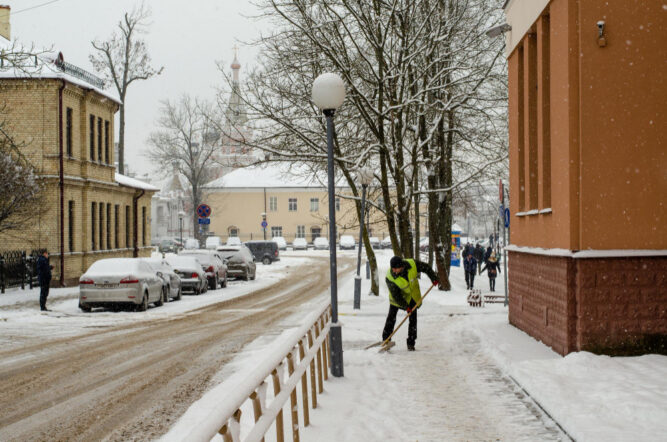
Removing snow promptly after a snowfall reduces the chance of it compacting into ice. Use a plastic or rubber-edged shovel to clear snow without damaging your driveway. For larger areas, snow blowers are a convenient and efficient alternative that reduces the risk of scratches or chips on concrete.
Protective Sealants
Applying a high-quality sealant to your driveway creates a protective barrier, reducing water absorption and minimizing the effects of freeze-thaw cycles. Reapply sealants every two to three years to maintain their effectiveness.
What to Use Instead of Salt on Concrete
If you’re looking for what to use instead of salt on concrete, consider traction agents like sand, sawdust, or kitty litter. These materials don’t melt ice but provide grip, reducing the risk of slips and falls. Sand is particularly effective for improving traction without introducing corrosive chemicals to your driveway.
Another alternative is heated driveway mats, which can be laid over icy areas to melt snow and ice without the need for chemicals. While the upfront cost of these mats is higher, they offer a long-term, environmentally friendly solution for snow and ice management.
For larger, industrial settings, industrial ice melt products that are non-corrosive and chloride-free like Safe Thaw are ideal. These solutions are effective at melting ice without causing harm to concrete or the surrounding environment, making them a great option for residential and commercial use.
Long-Term Benefits of Chemical-Free Ice Removal
Choosing chemical-free methods for ice removal not only protects your driveway but also offers broader benefits for your home and environment. By preserving the integrity of your concrete, you reduce the need for expensive repairs or resurfacing, saving money in the long term. These methods also create a safer environment for your family, pets, and surrounding wildlife, fostering a healthier community.
By minimizing your reliance on traditional deicers, you contribute to reducing pollution and preserving local ecosystems. Sustainable snow management practices, paired with preventative measures, ensure that your driveway remains in excellent condition year after year.
Conclusion
Managing ice on your concrete driveway doesn’t have to involve harsh chemicals that damage your property and the environment. By adopting chemical-free methods, such as prompt snow removal, traction agents, and proper drainage, you can maintain a safe and sustainable winter routine. Selecting an ice melt safe for concrete and incorporating preventative measures like sealants further protects your driveway while reducing maintenance costs.
Whether you’re seeking safer alternatives for your family or looking to reduce your environmental impact, these solutions offer effective and practical results. Embrace chemical-free ice removal techniques and enjoy a durable, pristine driveway throughout the winter season.
Try Also Our Other Winter Safety Products
Safe Paw
The Original and #1 Selling Pet and Child Safe Ice Melt for over 20 years. Guaranteed environmentally safe – will not harm waterways and sensitive wetlands. Safe Paw can change how winter affects our planet.

Ice Traction (with Traction Magic™)
Ice Traction is your go-to winter solution for driveways, walkways, parking lots, and even black ice on the road. Unlike salt or ice melts, it delivers instant grip on snow and slippery surfaces with no wait time.
Just spread and go.
Instant Grip. Zero Melt Time.
Total Confidence on Black Ice